How to Select Salon Quality Hair Tools in 2026?

Time:2026-10-07 Author:Liam
0%

Choosing professional hair tools in 2026 requires more than trusting a polished product photo. It requires evidence, hair science, and practical testing. The global hair styling tools market continues to expand, according to Grand View Research’s 2024 industry analysis. However, market growth does not guarantee better performance. A costly dryer may still create excessive heat, uncomfortable weight, or weak airflow.

So, how to select salon-quality hair tools? Start with the hair’s needs. Fine hair usually benefits from adjustable heat and controlled airflow. Thick, coarse hair may require stronger motors, wider plates, or consistent temperature recovery. Look for ceramic, titanium, or tourmaline surfaces, but treat these labels carefully. Materials matter. Technique matters more.

Celebrity hairstylist Sam Villa offers a practical principle: “The right tool should make the work easier, not harder.” That idea supports professional selection. A salon tool should feel balanced after several minutes, glide without pulling, and include readable temperature settings. Safety features also matter, including automatic shutoff and heat-resistant construction. The American Academy of Dermatology Association warns that excessive heat can damage hair, especially with repeated styling. Its guidance supports using the lowest effective temperature.

No tool is perfect. I would still question impressive claims about “zero damage” or “instant results.” They sound attractive, but they need independent testing. Compare manufacturer specifications with salon reviews, warranty terms, and service support. Reliable choices come from measurable performance, not marketing volume. The best purchase protects the hair, supports the stylist’s technique, and remains comfortable through a full working day.
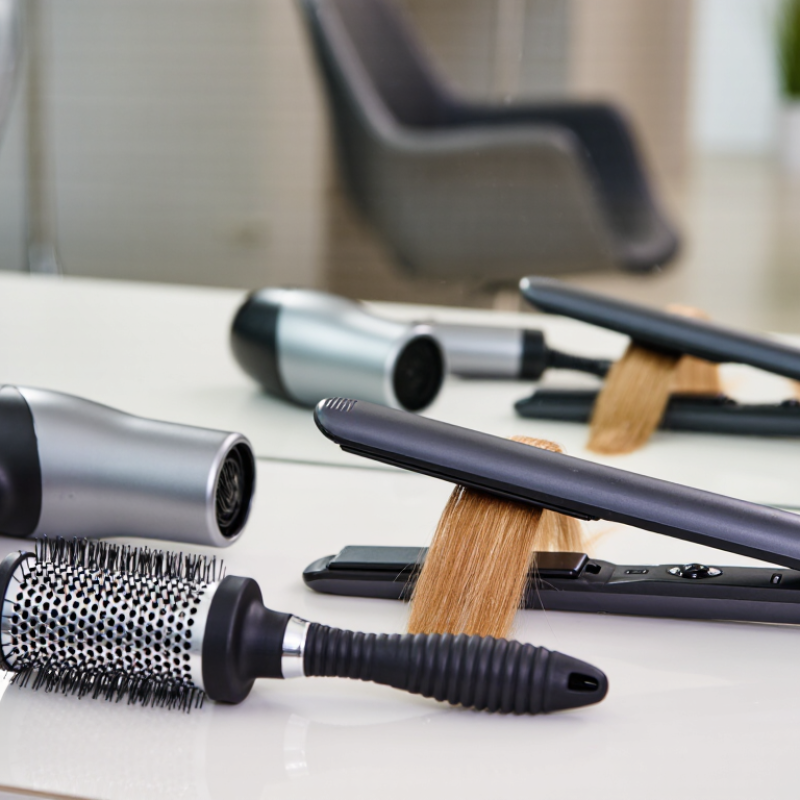
How to Select Salon Quality Hair Tools in 2026?

Define Salon-Quality Hair Tools and Their Professional Performance Standards

Salon-quality hair tools are not defined by a polished case or a high price. They are professional instruments built for repeatable results during long working days. A dryer should provide steady airflow, balanced weight, and controlled heat. It should avoid harsh hot spots near the scalp. A straightener should maintain even temperature across both plates. That consistency matters when styling dense, damp hair.

Professional performance can be checked through practical standards. Look for stable heat recovery after each pass, secure switches, and a flexible cord. The handle should not strain the wrist during repeated use. Tool surfaces should be easy to disinfect according to the manufacturer’s instructions. Safety features also matter, including insulation, automatic shutoff, and electrical compliance for your region. In a busy salon, noise, vibration, and cleaning time influence daily performance. Small details become expensive delays.

In hands-on testing, I would compare temperature stability, airflow strength, and results on different hair textures. I would also inspect the tool after several sessions. Does the cord twist easily? Does the casing become uncomfortably hot? I once focused too heavily on maximum heat and overlooked balance. That was a poor judgment. A powerful tool can still be tiring and difficult to control. Professional selection requires testing under realistic conditions, not only reading technical specifications. Results may vary between users, and even reliable tools need regular cleaning and careful inspection.

Assess Hair Type, Styling Goals, and Salon Usage Requirements

How to Select Salon Quality Hair Tools in 2026?

Start with the hair, not the tool. Fine, fragile strands usually need lower heat and steady airflow. Thick, coarse hair may require stronger motors and wider plates. Curly hair often benefits from diffusers, adjustable heat, and gentle tension. Porosity matters too. Highly porous hair can lose moisture quickly during styling.

Define the finished look before comparing features. A smooth blowout, defined curls, and fast straightening require different tool designs. Check temperature control, airflow settings, plate movement, barrel size, and heat recovery. Digital temperature numbers are useful, but accuracy matters more than a bright display. Request technical documentation when available. I once trusted a high-temperature setting too quickly, and the result was unnecessary dryness.

Salon use adds practical demands. A tool should feel balanced after repeated handling, not only during a five-minute test. Look for a flexible cord, cool-touch areas, easy cleaning, and a durable filter. Heat recovery is important when several clients need styling in succession. Noise also matters in a busy salon. A powerful motor can become tiring if it sounds harsh all day. Test the grip with wet hands, if possible. Small details are easy to ignore. They should not be. Safety instructions, electrical compliance, warranty terms, and service access deserve careful checking. A lower purchase price may become expensive when downtime interrupts appointments.

Compare Tool Materials, Heat Control, Power, and Safety Features

How to Select Salon Quality Hair Tools in 2026?

Choosing professional hair tools starts with the material touching the hair. Ceramic plates spread heat evenly and suit fine or damaged strands. Titanium heats faster and maintains higher temperatures for thick, resistant hair. Tourmaline coatings may reduce static, but coating quality matters more than marketing claims. Check for smooth edges, firm hinges, and plates that close evenly. Small flaws become obvious during a busy salon shift.

Heat control should be precise, not decorative. Select tools with clear temperature settings, stable sensors, and a visible display. Fine hair often needs lower heat, while coarse hair may require more power. However, higher heat is not automatically better. A short test section can reveal whether the tool pulls, dries, or overheats the hair. I once trusted a high setting too quickly. That was a useful mistake. Hair texture changes from client to client.

Power affects speed and consistency. Look for suitable wattage, steady performance, and voltage compatibility for your location. A long, flexible cord can reduce awkward wrist movement, but it should not create a tripping risk. Safety features deserve equal attention: automatic shutoff, insulated handles, a cool-touch tip, and protection against overheating. Use a heat-resistant surface nearby. Never ignore a damaged cord. Professional experience helps, but careful habits protect both the client and the stylist.

How to Select Salon Quality Hair Tools in 2026? — Compare Tool Materials, Heat Control, Power, and Safety Features

Tool Category Recommended Materials Typical Heat Range Typical Power Heat Control to Look For Safety Features Best Professional Use Selection Priority
Professional Hair Dryer AC or brushless motor housing; ceramic or tourmaline heating elements can support more even heat distribution. Outlet air commonly varies from approximately 60–110 °C depending on speed, nozzle, airflow, and distance from the hair. Approximately 1,600–2,000 W for many professional corded models. At least 2 heat settings, 2 speed settings, and a separate cool-shot button. Independent heat and airflow controls are preferable. Thermal overload protection, removable lint filter, insulated housing, secure nozzle attachment, and an auto-off or overheat cutout system. Fast drying, blowouts, smoothing, and diffuser styling across multiple hair textures. Airflow and motor durability
Flat Iron / Hair Straightener Ceramic plates provide relatively even heat; titanium plates heat quickly and transfer heat efficiently. A floating plate design helps maintain contact. Approximately 120–230 °C, or 250–450 °F. Lower settings are generally preferable for fine, fragile, or chemically treated hair. Commonly approximately 30–60 W. Digital temperature control, rapid heat-up, stable temperature regulation, and a clear temperature display. Adjustable increments of 5–10 °C are useful. Automatic shutoff after approximately 30–60 minutes, heat-resistant exterior or tip, swivel cord, and overheating protection. Straightening, silk presses, polishing, controlled bends, and heat styling on dry hair. Temperature accuracy
Curling Iron / Wand Ceramic barrels are suitable for even everyday styling; titanium barrels offer fast heat transfer for coarse or resistant hair. A smooth finish helps reduce snagging. Approximately 120–230 °C, or 250–450 °F, depending on hair density, texture, and styling technique. Commonly approximately 30–60 W. Adjustable digital temperature, stable heat recovery after inserting a section, insulated cool tip, and a clamp with controlled tension where applicable. Automatic shutoff, heat-resistant stand, insulated handle, swivel cord, and over-temperature protection. Curls, waves, texture services, and finishing work requiring repeatable shape. Heat recovery and handling
Hot Air Brush Ceramic-coated airflow surfaces may help distribute heat; nylon, boar-style, or mixed bristles should be firmly secured and smooth. Heated airflow commonly operates around 80–120 °C, depending on the selected setting and attachment. Approximately 700–1,200 W for many corded models. At least 2 heat settings, a cool setting, separate airflow control, and detachable or interchangeable attachments. Thermal fuse or overheat cutoff, secure attachment locking, cool-touch areas, removable filter where applicable, and automatic shutoff. Volume, smoothing, root lift, soft waves, and partially drying while shaping. Airflow-to-heat balance
Hooded or Stand Hair Dryer Heat-resistant polymer or metal housing, corrosion-resistant heating chamber, and a stable adjustable stand or wall mount. Many units provide a controlled drying environment of approximately 45–75 °C at the hood, depending on airflow and the selected setting. Approximately 1,200–1,800 W is common for salon-size corded units. Adjustable heat, airflow, timer, height, and hood angle. A low-temperature setting is important for processed or delicate hair. Thermal cutoff, stable base, timer shutoff, insulated hood surfaces, protected heating elements, and a grounded power connection. Roller sets, deep-conditioning services, color processing support, and hands-free drying. Even coverage and stability
Multi-Styler System Ceramic or ceramic-coated styling surfaces, heat-resistant attachment materials, and smooth airflow channels. Metal components should be corrosion-resistant. Attachment-dependent; heated surfaces commonly reach approximately 120–230 °C, while airflow attachments operate at lower temperatures. Approximately 1,200–1,600 W for airflow-based systems; heated-only attachments commonly use substantially less power. Separate controls for airflow, heat, and speed; temperature memory; sensor-based heat regulation; and clearly marked attachment settings. Automatic shutoff, attachment lock, thermal protection, cool-touch areas, filter access, and a secure storage or stand system. Salons that need one platform for drying, smoothing, curling, and finishing. Control simplicity and serviceability

Professional buying note: The specifications above are typical operating ranges rather than universal limits. Confirm the exact temperature, wattage, voltage, plug type, certification, warranty, and replacement-part availability before purchase. For salon use, select tools with a grounded connection and electrical safety certification recognized in the country of operation.

Evaluate Durability, Maintenance Needs, Warranty, and Total Cost

How to Select Salon Quality Hair Tools in 2026?

A salon-quality hair tool should survive daily heat, drops, and long working hours. Check the casing, cord connection, buttons, and plate alignment before buying. A loose hinge can become an expensive problem. Tools with replaceable filters, removable plates, or accessible screws are usually easier to maintain.

I once chose a cheaper dryer because it felt powerful. Its filter clogged quickly, and cleaning it became frustrating. That experience changed how I judge performance.

Maintenance Affects the Real Cost

Look for clear cleaning instructions and washable components. A tool that needs professional servicing every few months may not be a practical choice. Examine the warranty carefully. Confirm its length, repair coverage, shipping terms, and exclusions for overheating or accidental damage. A longer warranty helps, but only when support responds reliably.

Calculate the total cost, including electricity, replacement parts, cleaning supplies, and possible downtime. My estimates are not always perfect, especially when usage changes during busy seasons.

Tips

  • Compare the tool’s warranty with its expected working life.
  • Keep receipts and record the purchase date.
  • Clean vents after heavy use, not only when airflow weakens.
  • Test the cord gently, but never twist it sharply.
  • If a tool becomes unusually hot, stop using it and inspect the instructions.
  • A low purchase price can hide maintenance costs.
  • Sometimes, spending more prevents repeated replacement, but not always.
  • Read the service terms before trusting the promise.

Choose the Right Hair Tools Through Testing, Reviews, and Practical Fit

How to Select Salon Quality Hair Tools in 2026?

Selecting salon quality hair tools requires more than polished advertisements. I test heat stability, grip comfort, cord movement, and cleaning access before trusting a tool. A reliable styler should maintain an even temperature without scorching one section. I also check cooling speed, especially during busy appointments. These tests reveal weaknesses that product photos often hide. My experience helps, but it is not perfect. Hair density, texture, and styling habits can change every result.

Read reviews from professionals and users with similar hair needs. Look for repeated details, such as snagging, uneven airflow, noisy motors, or loose controls. One dramatic complaint proves little. Ten consistent reports deserve attention. Compare safety instructions, warranty terms, and independently measured specifications when available. Practical fit matters as much as performance. A heavy dryer may work well, yet strain your wrist after six clients. A narrow plate may create precise waves, but slow thick hair. Test the tool within your real routine, not for five minutes.

Tips: Measure your workstation before buying. Check whether the handle feels balanced when lifted repeatedly. Use a heat-safe surface and follow the stated temperature limits. Ask whether replacement parts are accessible in your region. Keep notes during testing. A tool that feels impressive today may become tiring next month. That is worth reconsidering.

FAQS

What makes a hair tool salon-quality?

It delivers repeatable results during long working days. The handle feels balanced after repeated use. Heat and airflow remain steady. A polished case is not enough.

How should hair type influence tool selection?

Fine hair usually needs lower heat and gentle airflow. Thick hair may need stronger power and wider plates. Curly hair often benefits from a diffuser and adjustable settings. Porosity also matters.

Which heat features deserve close attention?

Choose accurate temperature control and stable heat recovery. A bright display does not guarantee accuracy. Test a small section before full styling. Higher heat is not automatically better.

Are ceramic and titanium surfaces suitable for different hair?

Ceramic surfaces generally distribute heat evenly. They may suit fine or fragile strands. Titanium heats quickly and may suit resistant hair. Material alone cannot predict results.

What should professionals check during a practical test?

Check airflow strength, temperature stability, and plate movement. Observe whether the tool pulls or overheats the hair. Hold it for several minutes. Balance matters more than I once expected.

Which safety features are important?

Look for automatic shutoff, insulation, and overheating protection. A cool-touch tip can reduce accidental contact. Use a heat-resistant surface nearby. Never ignore a damaged cord.

Why do cord design and noise matter in a salon?

A flexible cord can reduce awkward wrist movement. It should not create a tripping risk. Excessive noise may become tiring during a full day. Small delays become costly.

How can hair tools stay clean and reliable?

Clean surfaces according to the manufacturer’s instructions. Inspect the filter, casing, plates, and cord regularly. Remove buildup before it affects performance. I once focused too much on power. That was poor judgment.

Conclusion

Learning how to select salon-quality hair tools begins with understanding what professional performance means: consistent results, reliable temperature control, efficient power, comfortable handling, and safe operation. Start by considering hair type, texture, length, and styling goals, as well as how often the tools will be used in a salon or at home. Different materials can influence heat distribution, smoothness, durability, and suitability for specific hair needs, while adjustable settings and protective features help reduce unnecessary heat exposure.

When deciding how to select salon-quality hair tools, compare construction quality, maintenance requirements, warranty coverage, and total ownership cost rather than focusing only on the initial price. Practical testing can reveal whether a tool feels balanced, heats evenly, operates comfortably, and performs consistently. Professional reviews and user feedback may provide useful insights, but the best choice should match your personal or salon workflow. A durable, safe, easy-to-maintain tool that delivers dependable results is usually a better investment than one with impressive features but limited practical value.

Liam

Liam

Liam is a dedicated marketing professional with a profound expertise in the industry, where he excels at highlighting the unique advantages of our core products. With a keen understanding of market trends and consumer needs, Liam frequently updates our company’s professional blog, providing......