Top 10 Ways to Start a Private Label Hair Tool Business

Time:2026-09-07 Author:Sienna
0%

Starting a private label hair tool business can look simple from a distance. Choose a product, add a logo, and sell online. In practice, the work is more demanding. You must study customer needs, select dependable manufacturers, test heating performance, and build a brand people can trust.

Sam Villa, professional hairstylist and co-founder of Sam Villa Professional, once said, “Education is the foundation of everything we do.” That principle matters when learning how to start a private label hair tool business. A successful founder should understand ceramic plates, temperature control, cord durability, packaging safety, and daily styling habits. Technical knowledge creates better questions for suppliers. It also helps prevent attractive samples from hiding weak construction.

Small details matter. A straightener should heat evenly across its plates. A curling tool should feel balanced after ten minutes of use. Packaging should protect the product without creating unnecessary waste. Customer reviews may reveal problems that factory photos never show.

The process is not perfectly predictable.

You may choose a popular tool and discover limited profit margins. A supplier may promise fast production, then miss an agreed schedule. Even experienced operators make poor assumptions. That is why product samples, inspection records, warranty terms, and transparent communication deserve serious attention.

This guide presents ten practical ways to develop a private label hair tool brand. It covers market research, supplier evaluation, product differentiation, testing, pricing, branding, content marketing, and customer support. The advice is designed for thoughtful decision-making, not shortcuts. Your first launch may not be perfect. It should be measurable, responsible, and ready to improve.
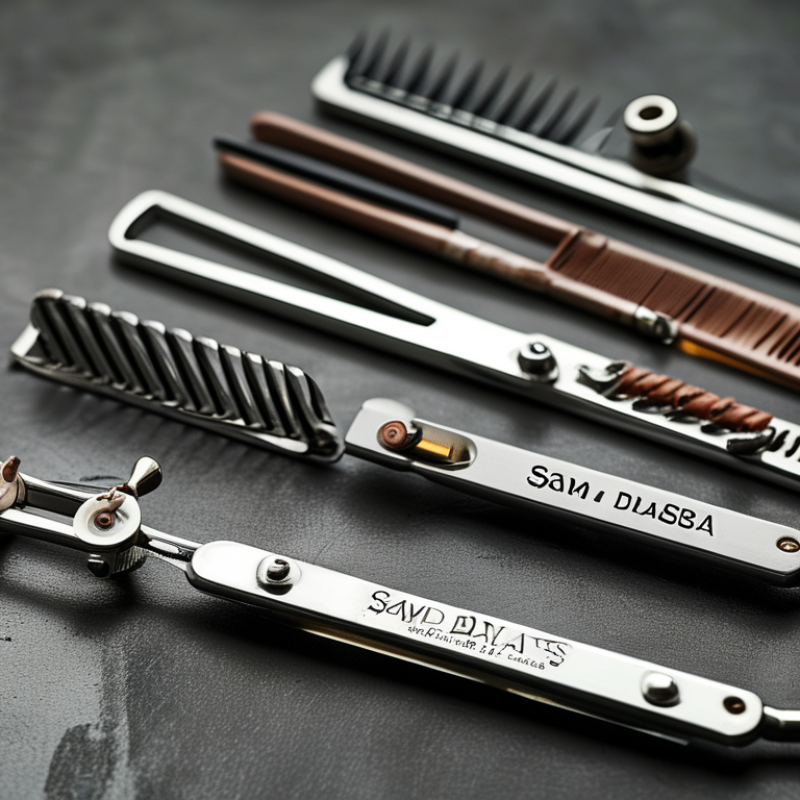
Top 10 Ways to Start a Private Label Hair Tool Business

Define Your Private Label Hair Tool Business Model

A private label hair tool business needs a clear operating model before product development begins. Decide who will buy the tool, where they will use it, and why your version deserves attention. A salon professional may value heat stability and a long cord, while a home user may prefer simple controls and compact storage. Keep it narrow. Choose one core product category, such as heated brushes, styling irons, or dryers, rather than launching everything together.

Your model should connect product design, sourcing, pricing, and sales channels. Request samples from several manufacturers and record heating time, temperature consistency, grip comfort, noise, and packaging quality. Ask for material specifications, safety test reports, warranty support, and minimum order quantities. A low unit price can become expensive after inspection, freight, returns, and replacement parts. Build those costs into the wholesale and retail prices. Test before scaling.

Online sales offer direct customer feedback, while professional distribution may provide stronger repeat orders. You could also create a small service layer, including usage guides, replacement accessories, and responsive support. Do not assume attractive packaging will create loyalty. The first sales forecast may be wrong, especially without seasonal data. That gap matters. Review customer complaints every month and adjust the tool, instructions, or target audience. A reliable model grows from measurable quality standards, transparent claims, and decisions that can survive careful review.

Top 10 Ways to Start a Private Label Hair Tool Business

Define Your Private Label Hair Tool Business Model

This comparison uses a 1–5 operating score to evaluate common private label hair tool models. Higher scores indicate greater intensity or potential: capital intensity, customization, margin potential, speed to market, and inventory risk. Stock-based models generally launch faster, while customized and exclusive models require more capital and planning.

Research Customer Needs and Select a Profitable Hair Tool Niche

Before selecting a private label hair tool, study real customer problems, not only trending colors. Grand View Research estimates the global hair styling tools market will grow at about 5% annually through 2030. This signals opportunity, but broad demand can hide expensive competition. Read customer reviews, support emails, salon discussions, and search data. Record repeated complaints, such as heavy handles, slow heating, tangled cords, or unclear temperature controls.

A profitable niche connects one problem with a specific user. For example, frequent travelers may value compact tools, dual-voltage support, and protective storage. Consumers with textured hair may need adjustable heat, wider plates, or gentler airflow. Circana’s beauty industry reporting has repeatedly shown strong consumer interest in at-home styling and wellness-related routines. Treat that trend carefully. Interest does not guarantee repeat purchases. Test a small survey with questions about routine, budget, hair type, and purchase frequency.

Create two or three prototypes before placing a large order. Measure heat-up time, surface temperature consistency, noise, grip comfort, and packaging durability. Independent testing and clear safety documentation strengthen trust and support E-E-A-T. My own research habit would include keeping failed assumptions visible. A sleek tool may photograph well but feel awkward after ten minutes. One weak trial should not define the niche, yet ignoring it is worse. Check regional electrical requirements and honest product claims before selling.

Develop Products, Packaging, and a Distinctive Brand Identity

Top 10 Ways to Start a Private Label Hair Tool Business

A strong private label hair tool begins with a specific customer problem. Interview stylists and home users before choosing a product category. Their comments may reveal overlooked details, such as awkward buttons or short cords. Create a sample with adjustable heat, secure grips, and clear controls. Test temperature consistency across several uses. Record every result in a simple development file. Safety matters more than impressive claims. Check materials, electrical performance, and instructions against applicable safety standards.

Packaging should protect the tool and explain its value quickly. Use a firm insert, readable icons, and a compact instruction card. Show heat settings, cleaning steps, and storage warnings in plain language. Add batch information and customer service details. A small unboxing test can expose problems. My early packaging concept looked attractive, but the tool shifted inside the box. That mistake taught me to test shipping, not just shelf appearance. Avoid vague sustainability language unless evidence supports it.

A distinctive identity needs more than a logo. Define one customer, one promise, and a consistent visual system. Choose two or three colors, a practical typeface, and photography that shows real use. Keep the tone confident but helpful. Let product details support the message. A heat tool should feel reliable in the hand and honest on the page. Some early ideas may feel too ordinary. That is useful feedback. Refine them through reviews, repeat testing, and small production runs before expanding the range.

Choose Reliable Manufacturers and Verify Product Quality

Building a private label hair tool business starts with a manufacturer you can inspect, not merely a low quotation. Ask for the factory address, production photos, business registration, and recent audit evidence. Request samples from the same production line proposed for your order. A polished sample can hide weak controls. That happened to me once. The heating plate looked even, but the cord strain relief failed after repeated bending. Small details matter.

Test every sample under realistic use. Check heat-up time, temperature stability, surface finish, handle grip, noise, and automatic shutoff. Use a calibrated thermometer and record results in a simple checklist. Ask for material declarations, electrical test reports, inspection standards, and batch traceability. Verify applicable safety requirements in every target market. Independent laboratory testing adds credibility. Do not accept copied documents without checking dates, model numbers, and issuing laboratories.

A dependable supplier explains defects before you discover them. Discuss acceptable quality limits, inspection stages, replacement terms, packaging protection, and response times in writing. Arrange a pre-shipment inspection, then compare random units with the approved sample. Keep photos and test records for each batch. Quality can drift. I once approved packaging too quickly and missed a loose insert that scratched the tool during shipping. That mistake cost time and trust. Build a small pilot order before scaling, and treat customer feedback as evidence, not praise.

Top 10 Ways to Start a Private Label Hair Tool Business — Choose Reliable Manufacturers and Verify Product Quality
No. Business-Building Method Key Data Dimension Practical Benchmark or Requirement How to Verify the Data and Product Quality Recommended Stage
1 Define a focused product niche Target customer and use case Select one primary segment, such as home styling, travel use, salon use, or heat-sensitive hair care. Document hair type, usage frequency, preferred temperature range, and buying concerns. Review customer interviews, search data, competitor specifications, product reviews, and return reasons. Confirm that the chosen use case has clear product requirements rather than relying on general demand claims. Before sourcing
2 Create a measurable product specification Performance and safety parameters Define measurable values for power input, operating temperature, heat-up time, temperature stability, cord length, weight, dimensions, noise, accessories, and warranty period. Convert every marketing claim into an acceptance criterion. For example, specify a temperature tolerance, maximum surface temperature for touch areas, and a permitted weight range. Require test reports linked to the exact product model. Before quotation
3 Screen manufacturers with a documented scorecard Supplier capability Score manufacturers on relevant product experience, engineering resources, quality systems, production capacity, export documentation, audit access, communication speed, and after-sales support. Request a factory profile, production-process flow, quality-control plan, sample records, calibration records, and evidence of previous testing. Verify legal business details and ensure the contracting entity matches the quotation and purchase agreement. Supplier shortlist
4 Validate the factory instead of relying only on samples Manufacturing consistency Complete a documented factory audit covering incoming materials, assembly, soldering, insulation, functional testing, final inspection, packaging, traceability, and corrective-action procedures. Conduct an on-site or qualified third-party audit. Check whether production controls observed during the audit match the approved sample and the supplier's written quality plan. Record nonconformities with owners and deadlines. Before purchase order
5 Use independent laboratory testing Electrical and material compliance Select tests according to the destination market. Common areas include electrical safety, electromagnetic compatibility, restricted substances, chemical restrictions, labeling, and packaging requirements. Commission testing from a competent independent laboratory. For household hair-care appliances, review the applicable editions of IEC 60335-1 and IEC 60335-2-23, plus destination-market requirements such as RoHS or REACH where applicable. Before mass production
6 Test safety-critical components and materials Component traceability Maintain records for heating elements, motors, thermal fuses, thermostats, switches, plugs, power cords, insulation materials, coatings, batteries, and plastic parts that contact heat. Match component part numbers and ratings to the approved bill of materials. Request certificates, incoming inspection records, and change-control notices. Do not accept unapproved substitutions without written evaluation and retesting. Development and production
7 Run reliability and abuse testing Durability and failure rate Build a test plan covering repeated power cycles, heat-up and cool-down cycles, drop or impact testing, switch operation, cord flexing, overheating protection, blocked airflow where relevant, and abnormal-use conditions. Define the number of cycles, sample quantity, pass/fail criteria, and test environment before testing begins. Use samples from pilot production, not only hand-finished development samples, and investigate every safety-related failure. Pilot production
8 Control the pre-shipment inspection process Defect acceptance Use a written inspection standard covering appearance, dimensions, function, accessories, labels, manuals, packaging, barcode accuracy, and carton quantity. Set an agreed AQL plan and defect classification before inspection. Use statistically based sampling under a recognized inspection approach, such as ISO 2859-1, with agreed acceptance numbers. Treat exposed live parts, overheating, incorrect voltage, missing safety instructions, and nonfunctional units as critical issues. Every shipment
9 Protect the private label and technical configuration Brand and specification control Control artwork, model numbers, packaging text, user manuals, firmware where applicable, approved components, tooling ownership, and permitted production locations through written agreements. Approve a golden sample and controlled artwork file. Compare mass-production goods against the signed sample, bill of materials, labels, and manual. Record revisions with version numbers and approval dates. Before production
10 Build post-launch quality feedback into purchasing Customer and warranty performance Track defect rate, return rate, warranty claims, safety incidents, complaint categories, replacement cost, delivery damage, and time to corrective action by model and production batch. Use batch codes or serial numbers where practical. Review quality data monthly, identify recurring failure modes, and require a documented root-cause and corrective-action report for significant problems before the next production run. After launch
Data note: Benchmarks in this table are practical planning criteria, not universal legal limits. Applicable requirements vary by product type, voltage, battery configuration, electrical system, and destination market. Confirm the current regulations, test standards, labeling rules, and import requirements for each market before commercial production.

Build Sales Channels, Launch Marketing, and Scale Operations

A private label hair tool business needs more than a good heating element. It needs reliable sales channels. Fortune Business Insights valued the global hair styling tools market at approximately $30.8 billion in 2023. That scale suggests opportunity, but competition remains intense. Start with a focused product, such as a temperature-controlled styling brush for fine or thick hair. Test it through a direct-to-consumer website, selected marketplaces, and professional salons. Each channel needs different content, pricing, and customer support. Do not copy one listing everywhere. That mistake is common.

Marketing should prove performance, not only appearance. Show heat-up time, cord length, surface temperature, and hair movement in short demonstrations. Add clear safety instructions and realistic usage limits. Search data can reveal questions customers ask before purchase. Customer reviews can expose weak packaging, confusing controls, or disappointing results. Use those findings to improve the next production run. Circana’s beauty industry reporting continues to show strong consumer interest in at-home beauty routines, supporting educational content and creator-led demonstrations. Still, creator traffic alone is unstable. Build email flows, retargeting, and useful care guides. Operations must support growth without creating stock problems. Keep inspection records for every batch, including temperature accuracy and electrical checks. Forecast demand using sales history, seasonal events, and channel performance. A small pilot order is safer than aggressive inventory. However, slow testing can also miss demand. Review return rates weekly, and reserve cash for replacement units and support. Scaling is not just ordering more tools; it is making quality repeatable.

FAQS

: How do I choose a profitable hair tool niche?

: Study repeated customer problems, not only popular colors. Look for complaints about heavy handles, slow heating, tangled cords, or confusing controls. Match one problem with one clear user group.

Which customer groups may need specialized hair tools?

Frequent travelers may prefer compact tools, dual-voltage support, and protective storage. People with textured hair may need adjustable heat, wider plates, or gentler airflow. These needs still require customer interviews.

What should I test before placing a large order?

Create two or three prototypes first. Measure heat-up time, temperature consistency, noise, grip comfort, and packaging strength. Test the tool after ten minutes, not only during a quick inspection.

What should effective packaging include?

Use a firm insert to stop movement inside the box. Add readable icons, heat settings, cleaning steps, storage warnings, and support details. Test a shipped sample. Shelf appearance is not enough.

How can a hair tool feel distinctive without relying only on a logo?

Define one customer, one promise, and a consistent visual system. Use two or three colors, practical typography, and photographs showing real use. The product must feel reliable in the hand.

Which sales channels can support a new hair tool?

Consider a direct website, selected marketplaces, and professional salons. Each channel needs different pricing, content, and customer support. Do not copy one product listing everywhere.

What should marketing demonstrations show?

Show heat-up time, cord length, temperature settings, and realistic hair movement. Include safety instructions and clear usage limits. A polished video can still hide weak controls. That risk deserves attention.

How can I scale without creating stock or quality problems?

Begin with a small pilot order and keep inspection records for every batch. Track temperature accuracy, electrical checks, returns, replacements, and channel performance. Reserve cash for customer support. Growth can expose mistakes.

Conclusion

Starting a private label hair tool business requires a clear plan from product concept to customer delivery. To understand how to start a private label hair tool business, first define your business model, target audience, pricing strategy, and long-term goals. Research customer needs and identify a profitable niche by studying common styling concerns, preferred features, buying habits, and market opportunities. Then develop practical products, attractive packaging, and a distinctive brand identity that communicate value and build customer trust.

The next step is to select reliable manufacturers that can meet your specifications, production volumes, safety expectations, and quality standards. Request samples, evaluate performance, verify materials, and establish consistent quality-control procedures before placing larger orders. Finally, build suitable sales channels through an online store, retail partnerships, or other appropriate platforms. Support your launch with useful content, product demonstrations, targeted promotions, and customer feedback. As sales grow, improve inventory management, customer service, marketing efficiency, and product development to scale the business sustainably.

Sienna

Sienna

Sienna is a skilled marketing professional with a deep expertise in our company’s core products and services. With a passion for innovation and detail, she plays a pivotal role in crafting insightful blog posts that not only highlight the unique features of our offerings but also provide valuable......