Curls bring vibrancy and personality to any hairstyle. Yet, creating stunning curls is just the first step. The real challenge lies in making those curls last throughout the day. According to a 2022 report from the Professional Beauty Association, nearly 68% of women struggle with maintaining their curls for extended periods. This statistic highlights how crucial it is to learn how to make curls last longer.
Expert stylist Amanda Lee emphasizes the importance of using the right products. She states, "The right techniques and products can significantly enhance the longevity of your curls." Amanda's insights are backed by research showing that hair products containing silicones can help create a barrier against humidity, a major enemy of lasting curls. However, experimenting with various techniques can lead to a trial-and-error process.
Research indicates that factors like humidity and hair texture can affect curl retention. A strategy that works wonders for one may fail for another. Therefore, understanding your unique hair type is essential. In the quest for perfect curls, it’s not just about technique; it’s also about staying open to adjustment and rethinking approaches when things don’t go as planned.
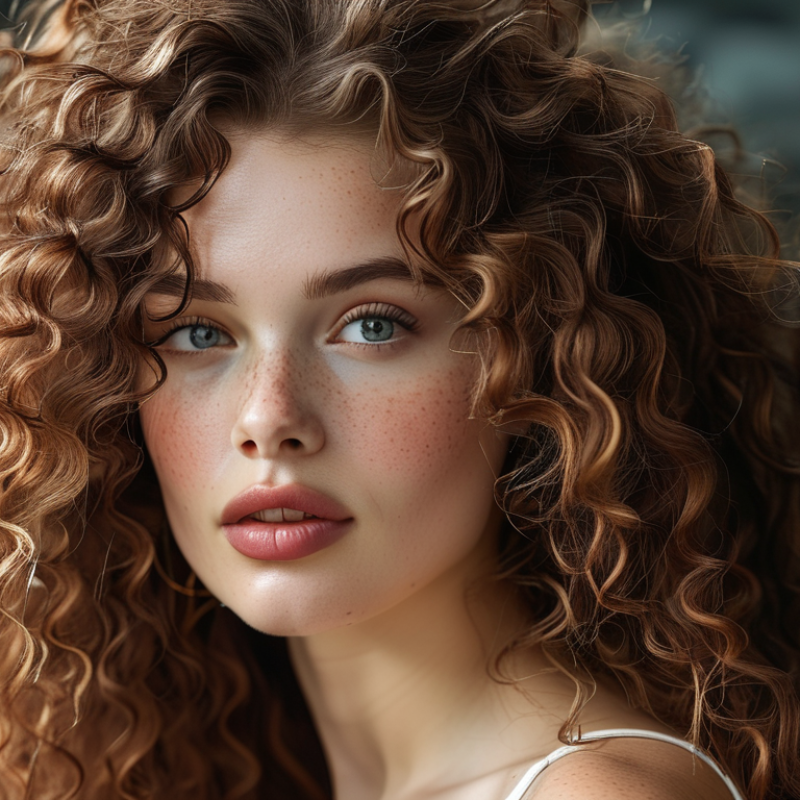
Understanding curl types is essential for achieving lasting curls. Different curls have unique characteristics, which determine how they respond to products and styling methods. For instance, tight curls often need heavier products for hold, while loose waves may require lighter formulas. Knowing your curl type influences your daily routine, ensuring that you cater to your hair’s specific needs.
Caring for curls involves understanding the balance of moisture and structure. Type 3 curls, for example, thrive on hydration but can lose shape easily without the right styling cream. On the other hand, Type 4 curls are strong but need more care to prevent dryness. It’s common to feel frustrated when styling doesn’t meet expectations. Experimenting is key—try different techniques to see what suits your curls best.
Visualize the process: apply product generously but avoid the roots if you want volume. Distributing product evenly can take time. Sometimes, over-styling leads to frizz or limpness. Reflect on your techniques, and don’t be afraid to adjust them to find what works best for you. Embrace the journey of learning your curls and enhancing their beauty day by day.
Achieving long-lasting curls requires the right hair products. Start with a quality curl cream. This product defines curls and adds moisture. Apply it evenly to damp hair. Be careful not to overuse; a little goes a long way.
Next, consider a robust setting spray. It helps hold your style in place without feeling sticky. Choose a lightweight formula for a natural finish. Remember, the spray should be applied after styling, not before.
Lastly, invest in a good diffuser. It helps reduce frizz and enhances curl definition. Drying your curls with a diffuser can take time but is worth the effort. Avoid using high heat settings, as they can damage hair.
Every hair type is unique, and what works for one may not work for another. Experiment with different products. The process might take time, but that's part of the journey. Embrace imperfections and learn what enhances your curls.
Creating enduring curls involves a blend of technique and the right products. Start by preparing your hair. Wash it with a lightweight shampoo and use a smoothing conditioner. This step helps to reduce frizz, a common enemy of lasting curls. Towel-dry gently; rubbery or damaged hair may not hold curls well.
Next, choose your styling method. Consider using a curling iron or heat-free methods like braiding damp hair overnight. If using heat, apply a heat protectant. This protects your hair from damage while allowing you to create defined curls. When curling, wrap sections of hair around the barrel, ensuring to leave the tips out for a more relaxed look.
Setting your curls is equally crucial. After curling, allow the curls to cool completely. Pin them in place using clips, which can help maintain their shape. Once they cool, release them and gently separate with fingers for volume. Remember, humidity can alter your best efforts. A light mist of hairspray can help combat this. Experiment with these techniques until you find what works best for your hair type. Not every attempt will be perfect, and that's okay. Adjusting techniques based on the day's conditions can lead to better results.
Environmental factors play a crucial role in how long your curls last. Humidity is one of the biggest culprits that can ruin even the most well-styled curls. When moisture is high, curls absorb water from the air. This causes them to expand and lose their defined shape. You might notice your perfectly styled hair turning frizzy as the day goes on.
Wind can also take a toll on curl longevity. Strong gusts can disrupt your curls and make them fall flat. On blustery days, you may find yourself constantly adjusting your hair. Additionally, temperature fluctuations can have unexpected effects on curls. If it’s too hot, curls might loosen. Conversely, cold air can lead to dryness, making curls brittle.
Another factor to consider is pollution. Dust and grime from the environment can weigh down your curls. It's essential to cleanse your hair effectively to combat this. Using the right products can make a difference, but even the best formulas won’t guarantee results in challenging situations. Maintaining curls is an ongoing process that requires attention to many external factors. Reflecting on your hair routine can lead to better strategies for curl care.
| Environmental Factor | Impact on Curl Longevity | Recommended Actions |
|---|---|---|
| Humidity | Can cause frizz and curl definition loss. | Use anti-humidity hairspray; consider humidity-resistant styling products. |
| Temperature | High heat can lead to moisture loss and dehydration of curls. | Use heat protectant; style in cooler conditions. |
| Wind | Can mess up styling, leading to lost definition. | Use lightweight gel or mousse for hold; wear a hat in windy conditions. |
| Sun Exposure | Can damage hair strands and fade color. | Use UV protection sprays; limit direct sun exposure. |
| Air Quality | Pollution can weigh curls down and cause buildup. | Wash hair regularly; use clarifying shampoo. |
Achieving long-lasting curls requires a few professional techniques that make all the difference. To start, using a heat protectant is essential. It not only shields hair from damage but also helps hold curls better. When you apply heat, curling from the roots can create more volume and longevity. Experiment with different sizes of curling irons or wands to find what works best for your hair type.
Setting your curls is crucial for all-day wear. After curling, allow them to cool completely. Once cooled, gently separate the curls to create a more natural look. You can use bobby pins to secure tighter curls until they set. This step might seem tedious, but it enhances durability immensely. Additionally, using a lightweight hairspray can lock everything in place without weighing down your hair.
Humidity can ruin your perfect curls. Consider using an anti-humidity spray before stepping outside. Check the weather in advance. If you see rain, rethink your styling approach. It’s okay to feel frustrated when things don’t go as planned. Remember to adjust your methods as needed. Experimentation often leads to discovering what truly works for you.
: Assess your curls' shape and texture. Each type responds differently to products and styling.
Tight curls typically require heavier products for better hold and definition. Lighter formulas may not suffice.
Implement regular hydration and conditioning routines. They need extra care to maintain moisture levels.
Different techniques yield different results. Trial and error help you find what suits your curls best.
Apply product away from the roots. This distributes the product without weighing curls down.
Allow curls to cool completely before separating them for a natural look. This improves longevity.
Use an anti-humidity spray before going out. It shields curls from frizz and keeps them in place.
Over-styling can lead to frizz or limpness. Reflect on your method and adjust as needed.
Yes, heat protectants shield hair and help retain the curl shape. They are vital for healthy styling.
Various factors can affect results, like product choice and technique. Adjusting your approach can improve outcomes.
To learn how to make curls last longer, it’s essential to first understand the different curl types and their specific needs. Each curl type requires tailored care and products to enhance longevity. Incorporating the right hair products, such as curl creams, gels, and setting sprays, can significantly contribute to maintaining defined curls throughout the day.
In addition to proper products, mastering various styling techniques is key for creating enduring curls. Techniques for curling and setting hair, as well as recognizing environmental factors like humidity that can impact curl retention, play a crucial role. Lastly, expert tips from professionals can provide insights on maintaining curls all day, ensuring they remain vibrant and bouncy despite the challenges posed by elements and time.

JGM Beauty