Caring for curls often comes with challenges. One of the most common issues is the rapid loss of curl structure. Understanding "why are my curls falling out quickly" is crucial for maintaining vibrant and healthy curls. According to the Curl Research Institute, nearly 70% of individuals with curly hair report that their curls lose definition over time.
Expert stylist Dr. Laura Ramirez states, “Curl retention is highly influenced by proper care and hydration.” This highlights that hydration, product choice, and environmental factors play significant roles in curl longevity. Many curl enthusiasts overlook these aspects, leading to disappointing results.
Reflecting on our hair care routines can give insight into why curls may not behave as expected. Using heavy products, neglecting moisture, or even the climate can quickly derail our curl goals. It's essential to remain aware and adjust practices accordingly. After all, healthy curls reflect our dedication to proper maintenance.
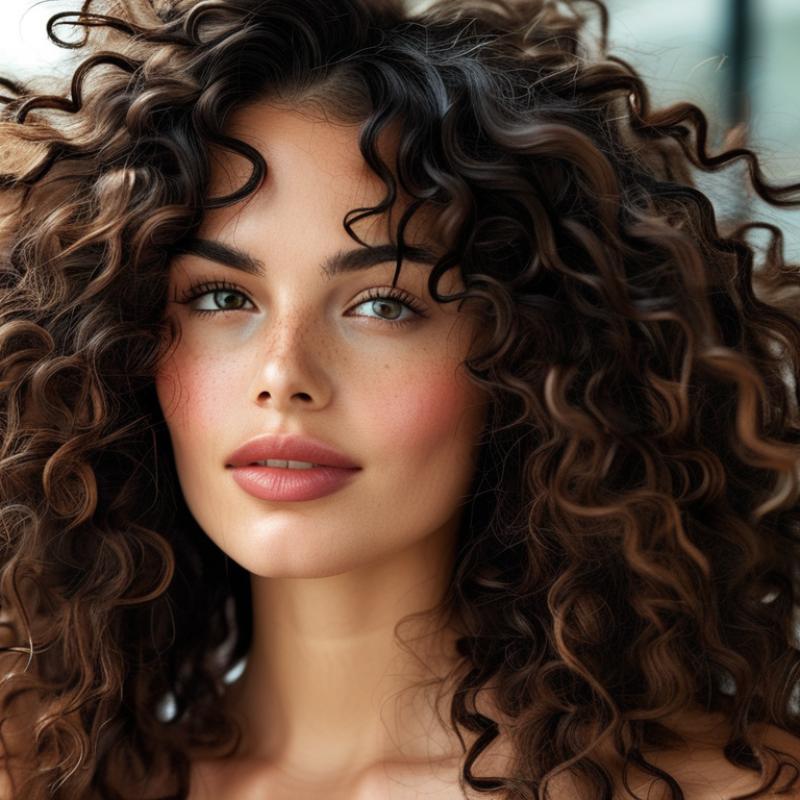
The loss of curls can be frustrating, often linked to various factors. According to recent studies, about 60% of individuals experience curl loss due to dehydration or improper hair care practices. Chemical treatments can also weaken curly hair. Heat styling can strip moisture and create brittleness, increasing the likelihood of curl loss.
Improper hydration is a key factor. Curly hair often requires more moisture than straight hair. A 2021 report indicated that using a sulfate-free shampoo can help maintain moisture levels. Additionally, incorporating a deep conditioning treatment weekly can enhance curl definition and strength.
Try regularly using a leave-in conditioner post-wash. This can lock in moisture. For styling, consider methods like the "plopping" technique. This can yield bouncier curls while ensuring minimal friction. Reflect on your routine. Are you using too many products that weigh your curls down? Analyzing your hair care habits may provide insights into why your curls aren’t holding up.
Losing curls quickly can be frustrating. Understanding the common causes can help in addressing the issue effectively. One major reason for rapid curl loss is inadequate moisture. Curly hair tends to be drier, making it more prone to frizz and loss of shape. If you notice your curls falling flat, check your hydration routine. Using heavy conditioners might not be enough if you're not sealing in that moisture properly.
Another factor is the type of products used on your hair. Some styling gels and creams can weigh curls down, leading to limp hair. Experimenting with different products can lead to better results. It's also essential to monitor environmental factors. Humidity can affect curl retention, making it challenging for your hair to hold its shape. A change in your daily routine, such as swimming or exposure to sun, can also compromise your curls.
Lastly, styling techniques play a significant role. Over-styling or using the wrong tools can harm your curls. Be cautious of heat damage caused by tools with high temperatures. Reflecting on your methods can help you find a balance between maintaining curl definition and health. Understanding these aspects may lead to more resilient, bouncy curls.
Caring for curly hair can be a challenge. A report from the American Academy of Dermatology highlights that 65% of individuals with curls experience rapid curl loss. This can lead to frustration and decreased confidence. Understanding the reasons behind this issue is crucial for effective management.
Hydration is key to revitalize curls. Lack of moisture can lead to dryness, making curls limp. Research shows that curly hair retains moisture differently due to its unique structure. Consider incorporating hydrating treatments like leave-in conditioners. Look for products containing natural oils. These can lock in moisture, enhancing curl resilience.
Styling techniques matter too. Over-manipulation can weaken curls. Studies indicate that repeated heat styling can cause long-term damage. It’s essential to use heat sparingly and always apply a heat protectant. Additionally, embracing protective hairstyles can shield curls from environmental stressors. Gentle handling is necessary; rough towel drying can lead to frizz. Instead, opt for a microfiber towel to minimize breakage. Regular trims can also eliminate split ends, allowing curls to bounce back effectively. Experiment with these practices and observe how your curls respond.
This chart illustrates the common causes of curl loss among individuals. The data shows that lack of moisture is the leading factor, followed by heat damage and chemical treatments. Implementing effective care techniques can help revitalize curls.
Maintaining healthy curls can be a challenge, especially when they start to fall flat. Choosing the right products is crucial for curl maintenance. Look for sulfate-free shampoos that cleanse without stripping natural oils. This helps retain moisture and enhances curl definition. A good conditioner is essential. It should provide deep hydration and improve elasticity.
Leave-in conditioners and curl creams add definition and minimize frizz. They can transform limp curls into lively spirals. Consider using a lightweight oil to seal in moisture. It offers protection without weighing hair down. Remember to avoid heavy products that might create buildup.
Regular deep conditioning treatments can be a game-changer. They restore moisture and vitality to tired curls. Experiment with different ingredients like shea butter or aloe vera. Reflect on which products work best for your hair type. Everyone’s curls are unique, and finding the right balance requires patience and experimentation.
Curls can be a beautiful expression of natural hair texture, yet they often fall flat. To ensure your curls last longer, understanding preventive measures is crucial. Studies show that around 70% of women experience curl loss due to environmental factors and improper care. Humidity, for instance, can weaken curl structure, leading to rapid frizz. Keeping hair hydrated with appropriate conditioners can combat this.
Regular trims are essential, too. Split ends can travel up the hair shaft, causing curls to lose their bounce and form. Experts recommend trimming every 6 to 8 weeks. Additionally, using a silk or satin pillowcase can reduce friction during sleep, which preserves curl integrity. Wearing a loose pineapple or bun at night helps maintain curl shape and minimizes breakage.
It’s also worth examining your styling routine. Overuse of heat styling tools can lead to dryness, ultimately making curls droop. Aim for heatless styling methods where possible. When heat is necessary, always apply a heat protectant. Remember, embracing imperfections can lead to the best versions of your curls. Everyone's hair is different, and it’s vital to experiment to find what truly works for you. Always be open to adjusting your routine based on how your curls respond.
| Cause | Impact | Preventive Measures |
|---|---|---|
| Heat Damage | Curls lose definition and elasticity. | Minimize heat styling; use heat protectants. |
| Lack of Moisture | Curls become frizzy and fall flat. | Use hydrating products; deep condition regularly. |
| Improper Washing | Curls can become weighed down with product buildup. | Clarify occasionally; use sulfate-free shampoos. |
| Mechanical Damage | Breakage and loss of curl pattern. | Be gentle when detangling; use a wide-tooth comb. |
| Environmental Factors | Humidity can alter curl shape; dry air can dry out curls. | Use anti-humidity products; protect curls from the sun. |
: Curl loss can be due to dehydration, improper hair care, chemical treatments, and heat styling.
Curly hair usually needs more moisture than straight hair. Inadequate hydration can lead to frizz and loss of curls.
Reflect on your habits. Using too many products can weigh curls down. Analyze if your routine is effective.
Certain gels and creams may weigh down curls. Experiment with different products to find what works best for you.
Humidity can worsen curl retention. Environmental factors like heat and swimming can also impact your curls’ shape.
Try the "plopping" technique to achieve bouncier curls and minimize friction. Be cautious with heat styling tools.
Yes, a leave-in conditioner can lock in moisture and enhance curl definition. It's beneficial post-wash.
Regular deep conditioning treatments can restore moisture and health to your curls. Aim for once a week.
Yes, ingredients like shea butter or aloe vera can aid in curl maintenance. Experiment to find what suits your hair best.
Sometimes, it takes time to find the right balance. Reflect on your routine and adjust as needed.
In addressing the question "why are my curls falling out quickly," it is essential to understand the various factors contributing to curl loss. Common causes include excessive heat styling, lack of proper moisture, and inadequate hair care routines that fail to support curl health. Identifying these issues is the first step in revitalizing curls and preventing further loss.
To effectively combat quick curl loss, it is recommended to incorporate techniques such as regular deep conditioning, minimizing heat exposure, and using protective styles. Additionally, selecting the right products tailored for curl maintenance can significantly enhance the health and longevity of curls. Implementing preventive measures, such as a balanced diet and routine trims, can also help ensure curls remain vibrant and intact over time.

JGM Beauty