How to Choose Dual Voltage Hair Styling Tools

Time:2026-10-17 Author:Sophia
0%

Travel styling tools look deceptively simple. A compact straightener may still fail abroad without the correct electrical design. Understanding what is dual voltage in hair styling tools helps shoppers avoid heat loss, blown fuses, and unsafe connections.

Grand View Research identifies steady expansion in the global hair styling tools market, driven partly by travel-friendly product demand. Mordor Intelligence also reports continued growth in personal-care appliances and portable styling devices. These reports show commercial momentum, but market growth does not guarantee safe performance. A sleek case can hide important differences between voltage, wattage, plug shape, and frequency.

Electrical safety specialist Brett Brenner offers a practical reminder: “Read the rating label before plugging in.” That advice matters. A dual-voltage tool commonly lists “100–240V” or “110–240V” on its handle, cord, or manufacturer label. Some models switch automatically. Others require a small selector near the plug. Missing that detail can leave a tool cold in London or dangerously overstressed in a higher-voltage destination.

This guide explains how to choose dual-voltage hair styling tools with evidence, not guesswork. It compares voltage ranges, wattage, heat recovery, plug compatibility, certifications, and travel converters. The decision is less glamorous than choosing a rose-gold finish. It is also more important.

One honest limitation remains. “Dual voltage” does not mean universal compatibility. Frequency, outlet condition, adapters, and local safety standards still matter. Check the manual. Check the label twice. Then choose the tool that fits your destination, hair type, and daily routine.
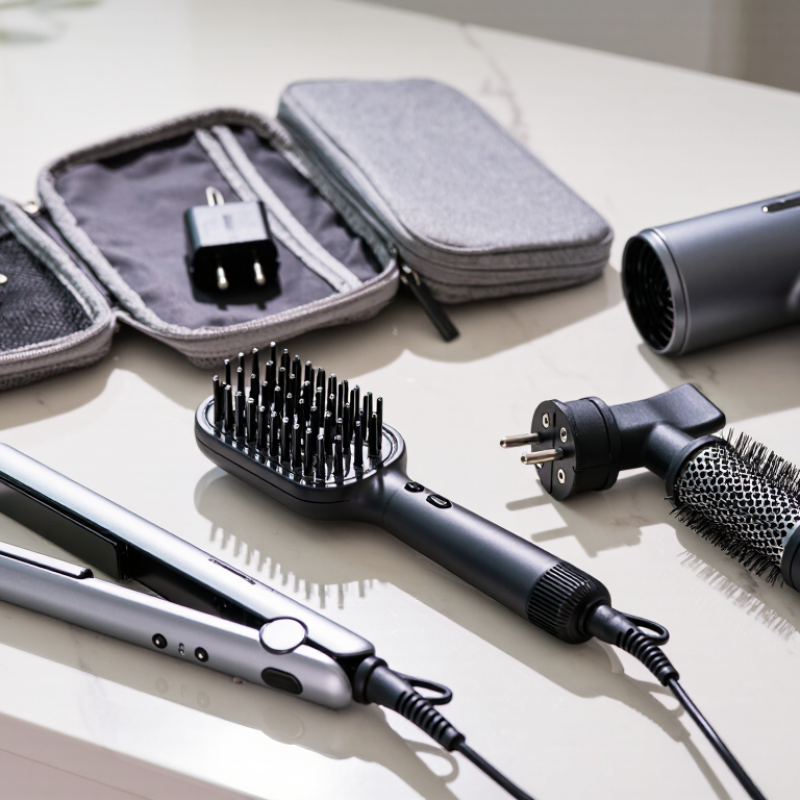
How to Choose Dual Voltage Hair Styling Tools

Understanding Dual Voltage and Its Role in Hair Styling Tools

How to Choose Dual Voltage Hair Styling Tools

Understanding voltage is essential before using a styling tool abroad. A dual-voltage device supports different electrical systems, commonly 110–120V and 220–240V. Some tools switch automatically. Others need a small selector switch. Check the label carefully.

Voltage is not the whole story. Frequency, wattage, and plug shape also matter. A tool marked “100–240V, 50/60Hz” offers wider travel compatibility. However, it still needs the correct plug adapter. An adapter changes the connection shape, not the voltage. A converter may be necessary for single-voltage devices. I have seen travelers overlook this detail.

The market is growing, too. Grand View Research estimates the global hair styling tools market reached approximately USD 30.3 billion in 2023. Its report projects a 5.3% compound annual growth rate from 2024 to 2030. This growth reflects rising demand for portable and versatile styling equipment. Yet faster growth does not guarantee safer design.

Look for clear voltage markings, overheating protection, and certified electrical testing. IEC 60335-2-23 addresses safety requirements for household skin and hair-care appliances. That standard provides useful guidance, but certification details should remain visible on the product. Cheap-looking labels deserve extra scrutiny. I would check twice. A dual-voltage tool can simplify travel, but only when its specifications match the destination’s electrical system.

Checking Voltage Compatibility for Different Countries

Choosing a dual-voltage hair styling tool starts with the destination’s electrical system, not the plug shape. According to IEC 60038, 230-volt supplies are common across Europe, Asia, Africa, and Oceania, while 120-volt systems remain widespread in North America. Check the tool’s rating plate for “100–240V” or “110–240V.” A tool marked only “220–240V” may overheat on a 120-volt circuit. That mistake is easy to make.

Frequency matters too. International Trade Administration country guides commonly list both voltage and frequency, such as 120V/60Hz or 230V/50Hz. Most heated styling tools tolerate small frequency differences, but motors and fans may perform poorly. Electrical Safety First also warns that a travel adaptor changes the plug connection, not the voltage. You may need a proper converter, especially for single-voltage tools. Confirm its wattage rating before use. High-heat appliances can draw substantial power.

In practical packing checks, I read the tiny label twice. I also test the switch before applying heat. A dual-voltage selector may sit beside the handle or near the cord, and it can be overlooked. My own weak point is assuming “universal” means automatic. It does not always. Some tools switch voltage manually, while others detect it electronically. Check the instruction sheet for the destination country, socket type, frequency, and converter requirements before plugging in.

Comparing Heat Settings, Wattage, and Styling Performance

How to Choose Dual Voltage Hair Styling Tools

Dual voltage tools are practical for travel, but voltage is only one buying factor. Check the label for “100–240V” before plugging in abroad. The U.S. Department of Energy reports that typical hair dryers use 1,200–1,875 watts. Higher wattage can shorten drying time, but it may also increase heat exposure. Wattage is not a complete performance score. I used to treat it that way. That judgment was too simple.

Heat settings matter more for controlled styling. Low heat suits fine, bleached, or damp hair. Medium heat can shape most hair types without excessive stress. High heat works faster, but it demands constant movement. Consumer Reports’ hair-dryer testing evaluates airflow, temperature, and drying time, rather than wattage alone. This reflects real use: strong airflow can outperform a hotter, weaker tool. The IEC 60335-2-23 standard also addresses safety for hair-care appliances, making certified construction worth checking.

Tips: Test the lowest effective setting first. Choose at least two heat levels and a cool-shot function. Confirm the tool’s wattage at both voltage ranges, because performance can change overseas. Use a plug adapter only when the tool is already dual voltage. A voltage converter may be necessary for single-voltage models. Do not ignore the cord, plug, or unusual heat. I still find manufacturer claims incomplete, so independent testing deserves more weight.

Evaluating Safety Features, Plug Types, and Travel Requirements

How to Choose Dual Voltage Hair Styling Tools

A dual voltage tool can make travel easier, but the label needs careful reading. Look for an input range such as 100–240V, not only the words “dual voltage.” Some models switch automatically, while others require a small selector. A plug adapter changes the plug shape; it does not convert voltage. That distinction is easy to miss when packing quickly.

Safety features deserve equal attention. Choose a tool with automatic shutoff, heat-resistant housing, and a well-insulated cord. A cool-touch tip can reduce burns when styling near a small hotel mirror. Check for recognized electrical safety certification and read the operating instructions for the destination country. Never use a damaged cord or a tool near water, even if the outlet has protective features. Dual voltage does not mean risk-free.

Travel requirements can change the best choice. Confirm the destination’s plug type before departure, and pack the correct grounded or ungrounded adapter. A compact tool with a shorter cord may fit better in a carry-on, but short cords can feel awkward near distant outlets. Let the plates or barrel cool fully before storing them. I once focused so much on voltage that I overlooked the adapter’s loose fit. That mistake made the tool heat unevenly. Check the connection before styling. Safety habits are not glamorous, but they matter.

How to Choose Dual Voltage Hair Styling Tools

Typical power demand by tool type. Lower-wattage tools are generally easier to pack and place less demand on travel adapters, while hair dryers require more careful voltage and power compatibility checks.

Values represent common approximate wattage ranges: hair dryers commonly use about 1,200–1,875 W, while straighteners, curling irons, and hot brushes commonly use about 25–100 W. Before travel, confirm that the tool label states dual voltage, check the destination plug type, and use a suitable plug adapter. A plug adapter changes the plug shape; it does not convert voltage.

Choosing the Right Tool for Your Hair Type and Styling Routine

When choosing a dual voltage hair styling tool, match it to your hair type and daily routine. I look for tools marked 100–240V, because they can adjust to different electrical systems while traveling. Check the voltage label before plugging in. Voltage alone is not enough. You may still need a suitable plug adapter, and adapters do not always fit securely in unfamiliar outlets. A heat-resistant pouch also makes storage safer after styling.

Fine or damaged hair usually needs lower temperatures and short passes. Start around 150°C, then increase carefully if the shape does not hold. Thick, coarse hair may require more heat, but repeated passes can still cause dryness. Curly hair often benefits from a diffuser or wider plates that reduce pulling. A narrow barrel can create defined waves, while larger barrels make softer movement. Keep sections small. Use heat protectant every time, especially when the hair feels rough or brittle.

Your routine matters as much as your hair type. If you style before work, choose a lightweight tool with simple controls and quick heating. If you style weekly, adjustable temperature settings may matter more than speed. A long swivel cord can help in small hotel bathrooms. I once chose a powerful tool that felt impressive but made my fine ends flat and dry. It worked, but not well for me. Now I test the lowest effective heat and watch for smoke, unusual odor, or persistent texture changes. Stop immediately if these appear.

FAQS

How can I check voltage compatibility before traveling?

Read the rating plate carefully. Look for “100–240V” or “110–240V.” A “220–240V” tool may fail on 120V power. Check twice.

Does a plug adapter change the voltage?

No. It only changes the plug connection. A single-voltage tool may need a suitable converter. Confirm the converter’s wattage rating first.

Why should frequency be checked?

Electrical systems may use 50Hz or 60Hz. Heated tools often tolerate small differences. Motors and fans may run poorly. Performance can change.

Is higher wattage always better for drying?

No. Higher wattage can shorten drying time, but it may increase heat exposure. Strong airflow can outperform a hotter, weaker tool. Wattage is only one factor.

Which heat settings are useful for different hair types?

Low heat suits fine, bleached, or damp hair. Medium heat works for many hair types. High heat acts faster but needs constant movement. Use care.

What features should a travel styling tool include?

Choose dual-voltage operation, at least two heat levels, and a cool-shot function. Check the cord, plug, and switch for damage. Small details matter.

Where is the voltage selector usually located?

It may sit beside the handle or near the cord. Some tools switch manually. Others detect voltage electronically. Do not assume “universal” means automatic.

What should I test before applying heat?

Test the voltage setting first. Start with the lowest effective heat. Watch for unusual warmth, noise, or weak airflow. My assumptions have failed before.

Conclusion

Choosing the right dual voltage hair styling tool begins with understanding what is dual voltage in hair styling tools: a device designed to operate safely on more than one electrical voltage, usually by adjusting automatically or through a manual switch. Before traveling, check the voltage requirements of your destination and confirm that the tool supports them. You should also consider whether its plug type is compatible or if a suitable travel adapter is needed.

Compare heat settings and wattage to find a balance between fast performance and controlled styling. Higher wattage may provide quicker heating, while adjustable temperatures can help reduce unnecessary heat exposure. Safety features such as overheat protection, automatic shutoff, insulated handles, and heat-resistant storage options are valuable for both home and travel use. Finally, choose a tool that matches your hair type and routine. Fine or damaged hair may benefit from lower temperatures, while thick or textured hair may require stronger, more consistent heat and versatile styling settings.

Sophia

Sophia

Sophia is a dedicated marketing professional with an exceptional depth of knowledge about her company's products and services. With a keen understanding of market trends and customer needs, she crafts insightful blog posts that not only inform but also engage readers, enriching the company’s online......