Hair styling tools are changing quickly, but the newest release is not always the best choice. Consumers now expect faster styling, lower heat exposure, and more control at home. They also want tools that feel lighter, quieter, and easier to clean. These expectations shape what are the latest trends in hair styling tools.
Industry educator Sam Villa offers a practical reminder: “Choose tools that support the result you want, rather than chasing every new release.” This principle matters when comparing heated brushes, cordless stylers, air-based dryers, and multi-functional devices. Look for adjustable temperature settings, automatic shut-off, balanced handles, and clear safety instructions. These details are less exciting than a glossy product launch. They may protect your hair and your routine better.
Smart heat regulation is gaining attention. Some devices monitor temperature continuously, helping reduce unnecessary heat spikes. Ionic technology remains popular for smoother finishes, while ceramic surfaces aim to distribute heat more evenly. Cordless designs can improve flexibility, although battery life still varies widely. Sustainability is entering the conversation too, through replaceable parts, recyclable packaging, and longer product warranties.
Not every trend deserves your money. That is the uncomfortable part. A tool can look advanced and still perform poorly on thick, fine, curly, or color-treated hair. Consider your texture, styling habits, and repair options before buying. Test claims carefully. Read independent reviews. A thoughtful choice may feel less glamorous, but it usually creates better results.
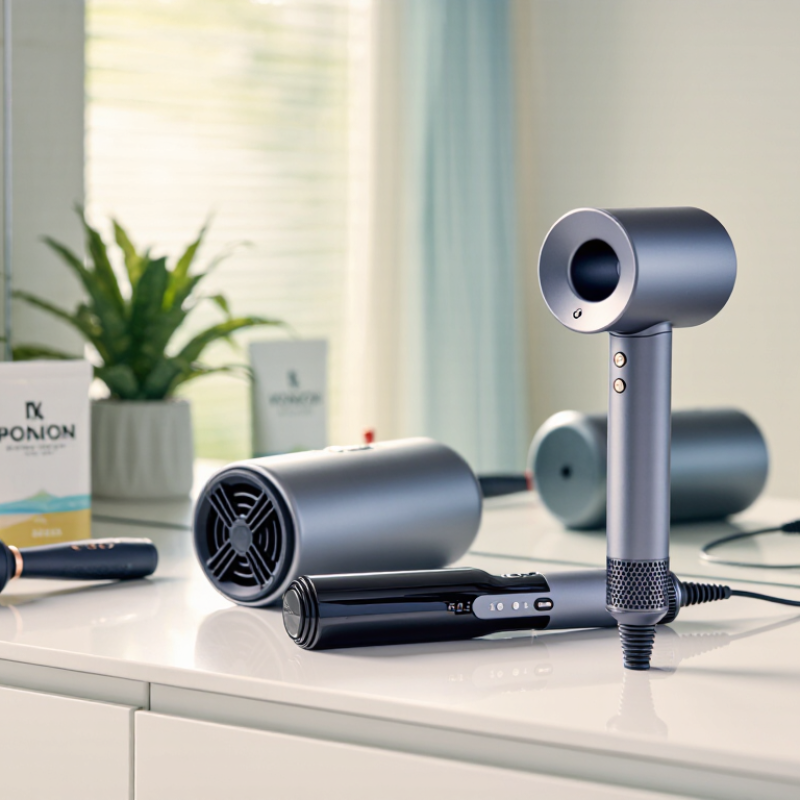
How to Choose the Latest Hair Styling Tools Trends?
Modern hair styling tools fall into several practical categories. Hair dryers focus on airflow, drying speed, and heat control. Look for adjustable temperature settings and a narrow nozzle for smoother results. Straighteners use heated plates to reduce waves and frizz. Ceramic or evenly heated plates can help prevent repeated passes. Curling tools create bends, waves, or defined curls. Choose barrel sizes according to your preferred shape, not only current trends. Multi-stylers combine drying, smoothing, and curling attachments. They save storage space, but complicated designs may take longer to learn.
Brush-based tools form another useful category. Heated brushes add volume while shaping damp or dry hair. Detangling brushes reduce pulling, although technique matters more than marketing claims. For fine hair, lower heat and lighter attachments usually feel safer. Thick hair may need stronger airflow and wider plates. A professional choice should include stable temperature control, clear instructions, and an automatic shut-off feature. These details are easy to overlook.
Tips: Test the tool on a small section first. Keep hot surfaces away from the scalp. Use heat protection before styling, even when the tool claims gentler performance. Clean filters and plates regularly, because dust and product residue affect results. No tool is perfect. A trending device may still feel awkward, heavy, or unnecessary in daily use. Reflect on your routine before buying. The best category is the one that solves a real styling problem.
Choosing current hair styling tools requires more than checking heat settings. The important question is how technology controls heat, airflow, and user error. Grand View Research reported that the global hair styling tools market exceeded USD 30 billion in 2023. Fortune Business Insights also estimates continued growth through 2032. This demand reflects interest in faster, gentler, and more personalized styling.
Look for digital temperature sensors, brushless motors, and adjustable airflow. Sensors can reduce overheating by monitoring the tool’s surface repeatedly. Brushless motors often provide steadier airflow and longer operating life. Ceramic or coated plates may distribute heat more evenly, though performance depends on design quality. Ionic airflow can reduce static, but results vary with hair density and moisture. Smart tools may store preferred settings through connected controls. Convenient, perhaps. Yet extra software does not guarantee better hair results. I have found that marketing claims often sound more precise than real bathroom testing. Check independent reviews, warranty terms, temperature ranges, and safety certifications before buying. Safety matters too.
Tips: Compare tools on damp and dry sections of hair. Record styling time, surface temperature, noise, and frizz after one hour. Choose lower heat when possible. Auto shut-off is useful for rushed mornings. A tool that feels comfortable after ten minutes may be more practical than a faster model. No feature is perfect. Hair texture, technique, and maintenance still influence the final result.
Choosing the latest hair styling tools starts with your hair texture, not a trend report. Fine hair usually needs adjustable low heat and a narrow airflow nozzle. Excessive heat can flatten the roots and leave fragile ends dry. A lightweight dryer with ionic airflow may reduce static, but results vary between users.
Thick, coarse, or tightly curled hair often benefits from stronger airflow and steady heat control. A diffuser can spread air gently across curls, helping reduce frizz and preserve their shape. For stretching curls, use a comb attachment and work in small sections.
Ceramic plates suit smooth, even passes, while wider plates can save time on long hair. Never clamp damp hair with a heated tool.
Your styling goal matters just as much. Choose a round brush attachment for volume, a tapered wand for defined waves, or a flat iron for controlled straightening. Heat sensors and automatic shutoff features can improve consistency and reduce accidents. Still, technology cannot replace technique. I once chose a powerful tool for speed, then created unnecessary puffiness around my crown. That mistake reminded me to test one section first. Use heat protectant, keep the tool moving, and lower the temperature when your hair feels rough. Fresh trends can be useful, but your strand thickness, porosity, and daily routine deserve the final decision.
How to Choose the Latest Hair Styling Tools Trends?
Compare Safety, Performance, Durability, and Ease of Use
Choosing the latest hair styling tool should begin with safety, not attractive features. Look for adjustable temperature settings, automatic shutoff, and a heat-resistant exterior. A cool-touch handle can reduce accidents during rushed mornings. Check the instructions and independent testing information before buying. I once ignored heat control and regretted it after noticing dry, rough ends. New technology can still create old problems.
Performance depends on steady heat, suitable airflow, and comfortable handling. A tool that heats unevenly may force repeated passes over one section. That wastes time and may increase heat exposure. For durability, inspect the cord, buttons, hinges, and plate or barrel surface. Solid construction matters more than a long feature list. Ease of use matters too. Tiny controls are frustrating. Heavy tools strain the wrist. No tool is perfect.
Tips: Test the grip for several minutes before purchase. Choose settings you can understand quickly. Keep a lower heat option for fine or damaged hair. Clean removable filters and surfaces regularly. Record how the tool feels after repeated use, not just on day one. My own choices improve when I judge comfort honestly, instead of chasing every new trend.
Scores use a 1–10 comparative scale based on commonly documented features of current hair styling tool categories. Higher scores indicate stronger overall performance in each area.
How to Choose the Latest Hair Styling Tools Trends?
Evaluate Trends, Sustainability, and Overall Value Before Choosing
Choosing a new styling tool should begin with evidence, not a viral video. I compare heat settings, airflow, plate materials, cord quality, and automatic shutoff. Heat changes hair. A tool with adjustable temperature can reduce repeated exposure, especially on fine or chemically treated strands. I also test handling. Does the grip stay steady with damp hands? Can you reach the controls without twisting your wrist? These details affect daily safety more than dramatic launch claims.
Sustainability needs closer inspection. Look for repairable parts, replaceable filters, recyclable packaging, and a clear warranty. A lower-wattage tool may use less electricity, but drying time also matters. Calculate both. Compare wattage, minutes per use, and weekly frequency for a more honest estimate. Marketing language can be vague. Ask whether performance claims come from independent testing or controlled demonstrations. My judgment can be biased by quiet motors and attractive finishes. They feel premium, yet they may not improve results.
Overall value includes purchase cost, energy use, maintenance, and expected lifespan. Clean removable filters regularly, and check whether replacement parts remain available. A cheap tool that fails after one year is not automatically economical. Conversely, an advanced model may waste money if you create simple waves twice a month. Match features to your routine, hair texture, and skill level. Leave room for doubt. Trends move faster than practical needs.
Hair dryers manage airflow and drying speed. Straighteners smooth waves and frizz. Curling tools create bends, waves, or curls. Multi-stylers combine several functions. Heated brushes add shape and volume.
Choose adjustable low heat and a lightweight design. A narrow nozzle can control airflow near the roots. Use heat protection before styling. High heat may flatten roots and dry fragile ends.
Strong airflow and steady heat control are helpful. Wider plates may save time on long hair. Use small sections for better control. A diffuser can help preserve curly shapes.
Choose a round brush attachment for volume. Use a tapered wand for defined waves. Select a flat iron for controlled straightening. The newest option may not fit your routine.
Look for adjustable temperature and automatic shutoff. A heat-resistant exterior and cool-touch handle can reduce accidents. Keep hot surfaces away from your scalp. Never clamp damp hair.
Check whether the tool heats evenly and feels balanced. Heavy designs may strain your wrist. Tiny controls can slow rushed mornings. Hold the tool for several minutes before buying.
Test the tool on a small section first. Keep it moving and use heat protectant. Lower the temperature when hair feels rough. Repeated passes may increase heat exposure.
Clean filters and heated surfaces regularly. Dust and product residue can affect results. Inspect cords, buttons, hinges, plates, and barrels. I sometimes overlook cleaning, but that weakens performance.
No. A popular tool may feel heavy, awkward, or unnecessary. Consider your hair texture, porosity, and daily routine. I once chose power for speed and created unwanted crown puffiness. Test honestly.
Choosing the right modern hair styling tool begins with understanding the main categories, including dryers, straighteners, curling devices, multi-stylers, brushes, and accessories. Consider the latest features and technology, such as adjustable heat settings, intelligent temperature control, fast heating, interchangeable attachments, ionic functions, and ergonomic designs. The best choice should match your hair texture and styling goals: fine or damaged hair may need gentle, low-heat options, while thick or coarse hair may benefit from stronger airflow or higher heat control.
When asking “what are the latest trends in hair styling tools,” look beyond appearance and novelty. Compare each tool’s safety features, performance, durability, ease of use, and maintenance requirements. Energy efficiency, recyclable materials, repairability, and longer product life are increasingly important when evaluating sustainability. Ultimately, the best tool is not necessarily the newest one, but the option that delivers reliable results, protects hair, suits your routine, and provides lasting overall value.

JGM Beauty